◤ Top story · Lifespan.io
CREATINE + POWER TRAINING SHOW SYNERGISTIC GAINS IN OLDER ADULTS...
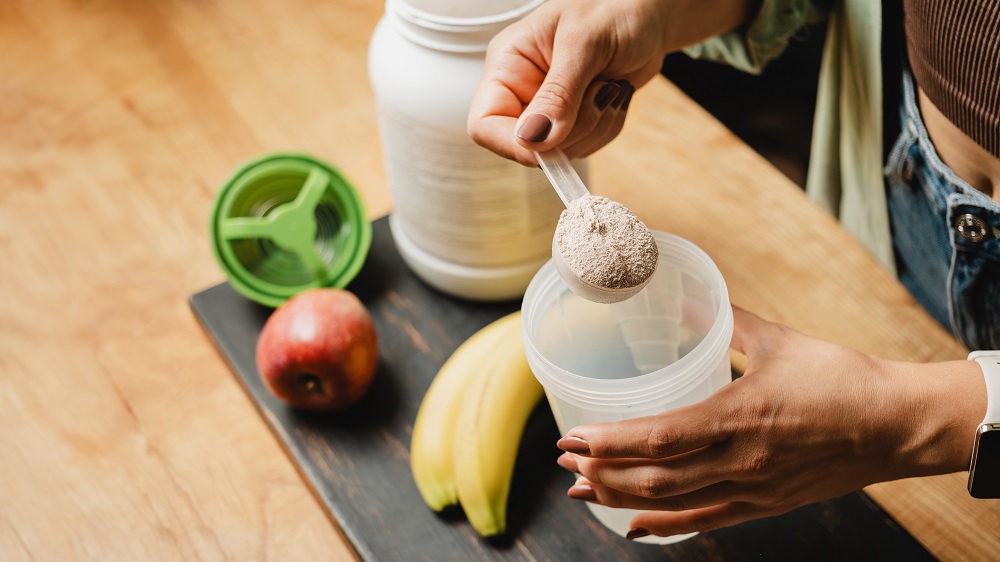
Creatine supplementation amplifies power-training benefits beyond what exercise alone delivers in aging muscle.
As of THU, MAY 7, 7:08 PM · New Brief Daily
Last updated May 7, 2026 — I read this morning's peptide research and picked the items that mattered. Fresh brief tomorrow.
Creatine supplementation amplifies power-training benefits beyond what exercise alone delivers in aging muscle.
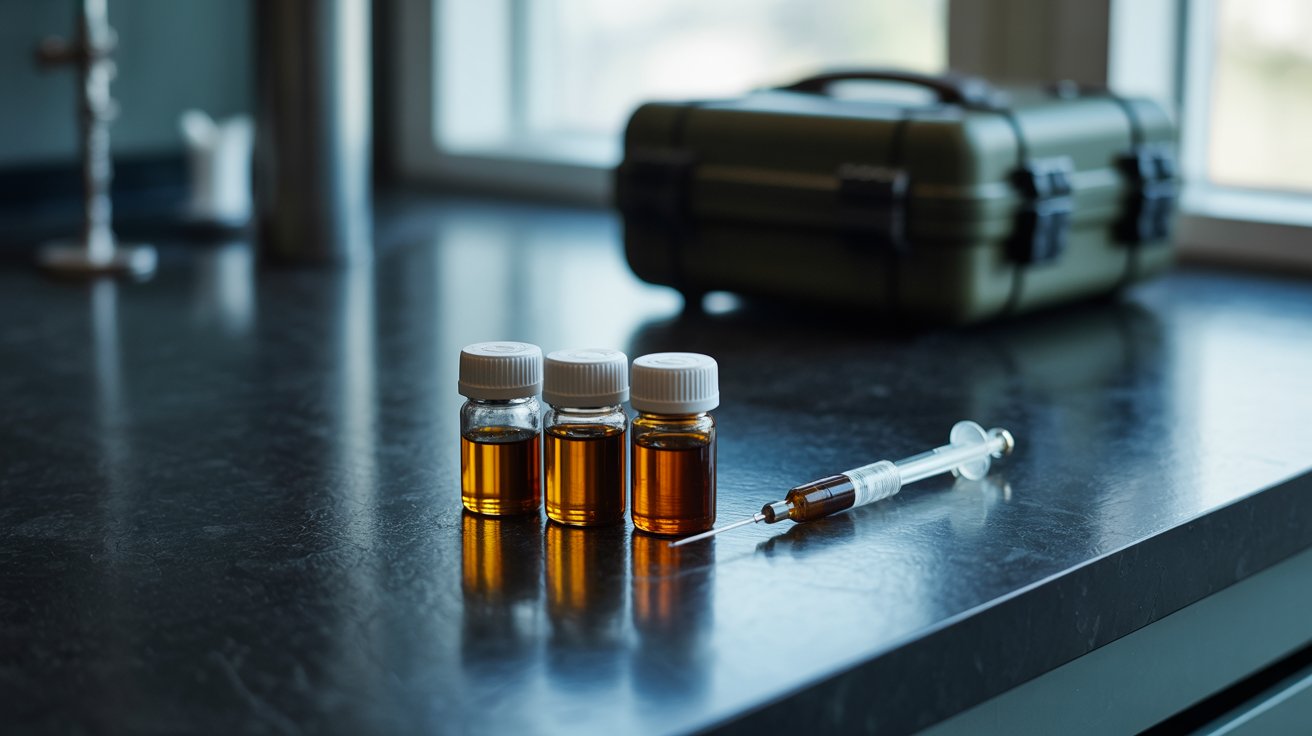
Research VialsResearch review of LL-37 — the only human cathelicidin, studied for broad-spectrum antimicrobial activity, immune modulation, and wound healing.
PubMed · Lancet (London, England)Rosenstock J et al., Lancet (London, England) · 2026 Mar 21. PMID 41765029.
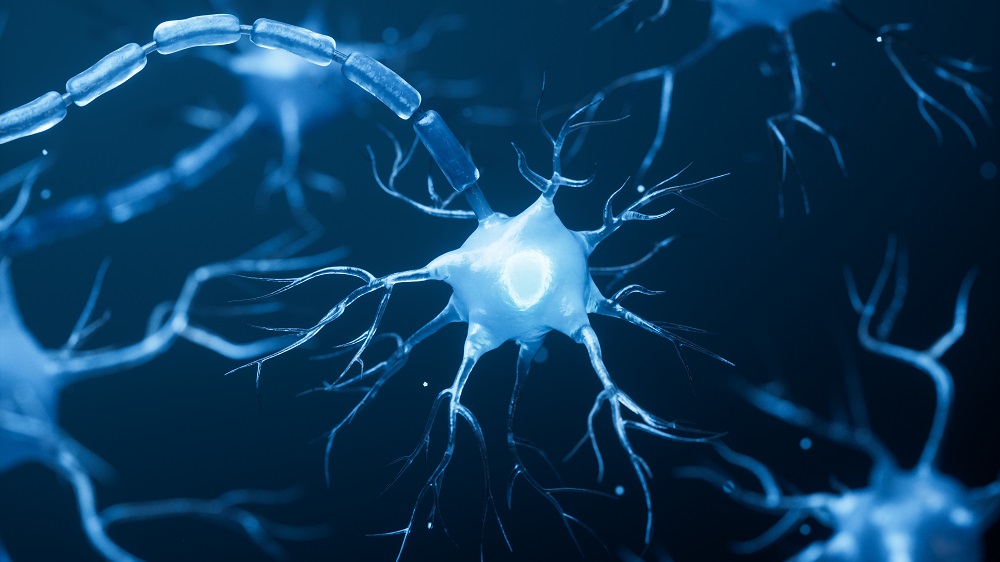
Lifespan.ioDasatinib and quercetin — arguably the most popular senolytic stack in longevity circles — produced brain lesions resembling demyelinating pathology in a new mouse study. The finding doesn't invalidate the D+Q framework, but it materially raises the stakes on human translation and demands a harder look at CNS safety before broader adoption.
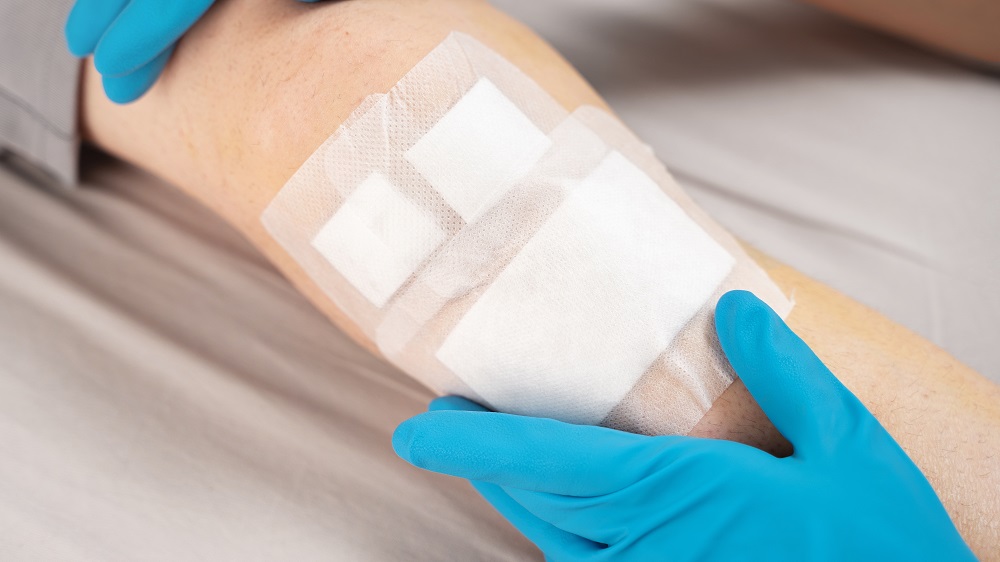
Lifespan.ioCounterintuitive new data shows that young mice heal wounds faster precisely because they mount a more robust acute senescence response — not despite it. The finding reframes senescent cells as context-dependent actors rather than uniformly harmful, with direct implications for wound-healing peptide research and regenerative protocols.
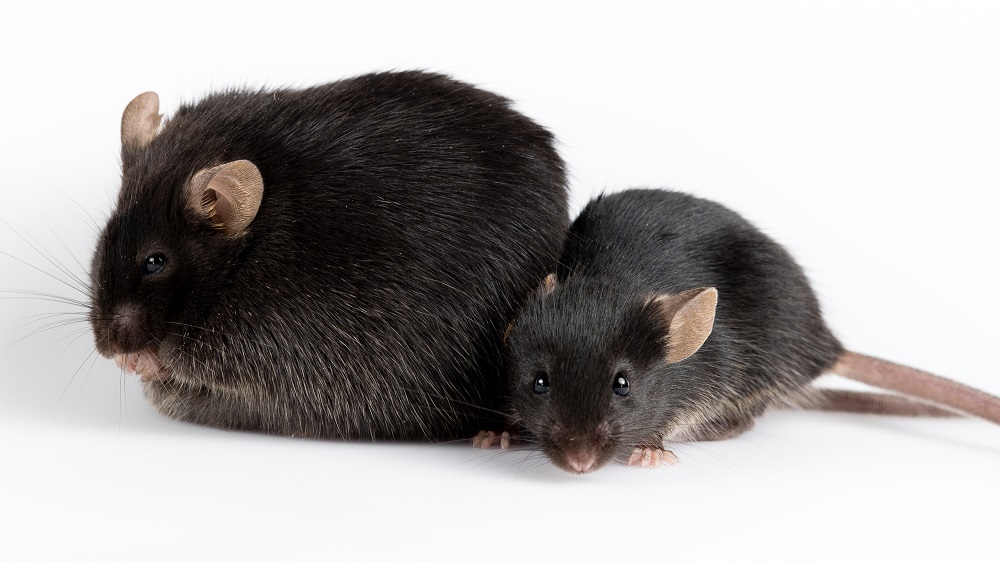
Lifespan.ioT cells appear to retain a pro-inflammatory phenotype for weeks in mice — and potentially years in humans — even after weight is fully restored following obesity. The immune memory effect challenges the assumption that GLP-1-driven weight normalization resolves downstream metabolic inflammation on a similar timeline.
Fight Aging!Researchers assessed several IGF-1 receptor inhibitor candidates for their ability to modestly extend healthspan in mice, revisiting one of aging biology's most studied axes. Results were mixed but underscore the continued relevance of the GH/IGF-1 axis as a therapeutic lever — an axis that peptide secretagogues like sermorelin and CJC-1295 also engage from a different angle.
Regan ArchibaldAre fine lines, thinning skin, or loss of elasticity signaling something deeper about your health? In this video, I break down how oral peptides—especially GHK-Cu peptide—may support skin repair at a cellular level and what the science actu
Dr Jones DCBook your free discovery call *HERE:* https://drjonesdc.com/yt1d Berberine has earned a viral reputation as “natural Ozempic,” but the science tells a very different story. While it may support blood sugar, insulin resistance, cholesterol
Thomas DeLauerUse Code THOMAS for 10% off Timeline’s Mitopure: http://timelinenutrition.com/thomas This video does contain a paid partnership with a brand that helps to support this channel. It is because of brands like this that we are able to provide
Biohacking SpecialistApply here to work 1:1 with me and my concierge team: https://linktw.in/TQNxOy If you want to lose 30+ LBs, optimize your hormones and take your physique to the next level using and “enhanced blueprint, watch this video next: https://you
Dr Debra Durst🎯 If your sex drive has quietly disappeared and you've been told it's just stress, just aging, or just part of being a woman — that is not the full story. In this episode, Dr. Debra Durst breaks down PT-141 (bremelanotide), an FDA-approv
Cortex Labs💥🚀 Hire me to resolve Libido/EQ/Sensation issues on TRT, HRT, or from the use of 5-AR inhibitors. 💥🚀 📞 🧨💣 Book 1 on 1 coaching with Ryan, and solve Libido/EQ problems on TRT, or from hair loss compounds: https://livecortex.com/trt-s
Research VialsHow AMPK — the master metabolic sensor — connects exercise, fasting, and metabolic peptides like MOTS-c and 5-Amino-1MQ. A pathway guide for researchers.
Lifespan.ioAn Aging Cell study reveals that gut aging triggers transcriptional dysregulation in mucosal tissue that impairs immune surveillance, creating conditions that favor pathogenic bacterial overgrowth. The gut-immune interface is increasingly relevant to peptide researchers given BPC-157's documented mucosal repair activity.
Aging CellA new Aging Cell paper reframes melatonin's role in late-onset hypogonadism: rather than passively supplementing low hormone levels, it may actively repair Leydig cell senescence — the upstream cause of age-related testosterone decline. This repair-over-replacement framing is gaining traction across the anti-aging field and directly intersects with peptide-based hormone optimization approaches.
Fight Aging!Accumulating evidence confirms that aged muscle stem cells remain intrinsically functional when removed from their tissue environment — it's the aged milieu suppressing them, not irreversible cellular decay. This shifts the research target toward systemic rejuvenation strategies, including peptides that modulate growth hormone signaling and local tissue repair.
Fight Aging!Altos Labs — the $3 billion partial reprogramming bet — is deliberately raising its public profile after years of operating quietly since its 2022 launch. The move signals the company believes its epigenetic reprogramming platform is mature enough for the narrative to shift from speculation to credible science-in-progress.
eLifeUsing fiber photometry, researchers recorded in vivo kisspeptin neuron population activity across the full estrous cycle in mice, finding that prolonged oscillating activity in the preoptic area directly drives the LH surge triggering ovulation. The data adds mechanistic resolution to one of reproductive endocrinology's most important — and therapeutically underexplored — peptide axes.
Peter AttiaPeter Attia's latest AMA covers NAD supplementation, metabolic health markers, strength training efficiency, and dementia risk reduction in a single high-density episode. NAD+ — a compound at the intersection of mitochondrial function and epigenetic aging — gets direct attention alongside the broader longevity stack conversation.
Peter AttiaThe first controlled trial pairing rapamycin with structured exercise failed to show the expected additive benefit, a result Peter Attia frames as a single negative data point rather than a verdict. The nuanced take is worth reading for anyone tracking mTOR modulation as a longevity lever alongside peptide-based recovery strategies.
Fight Aging!A detailed survey of how blood fractions are being parsed for pro- and anti-aging signals — from plasma dilution experiments to proteome profiling. The plasma dilution finding that it promotes cardiac repair and motor recovery in old mice post-ischemia makes this more than a theoretical exercise.
Aging CellPlasma dilution following myocardial ischemia-reperfusion injury in aged mice accelerated cardiac repair and restored endurance — a striking result that adds to the case for circulating pro-aging factors as targetable drivers of poor recovery outcomes in older animals.
Nature AgingA Nature Aging perspective argues the degraded aged ECM itself may be a primary driver of senescent cell persistence — reframing senolytic strategy by pointing upstream. Relevant for GHK-Cu researchers given copper peptide's established role in ECM remodeling.
Aging CellThe peer-reviewed source underlying Lifespan.io's gut aging coverage — detailed transcriptomic data showing how an aged microbiome structurally undermines the mucosal immune layer, with implications for intestinal peptide delivery and mucosal healing research.
Research VialsSafety protocols for handling research peptides — PPE requirements, sharps disposal, chemical handling, and contamination prevention in the laboratory.
Aging CellK2 activates the JNK-1/SIR-2.1/DAF-16 axis to alleviate mitochondrial stress and extend lifespan in worm models — another data point for the growing list of accessible compounds with measurable longevity effects in controlled organisms.